
Published:
Updated:
01 | Spring: focus your blossom day on one area
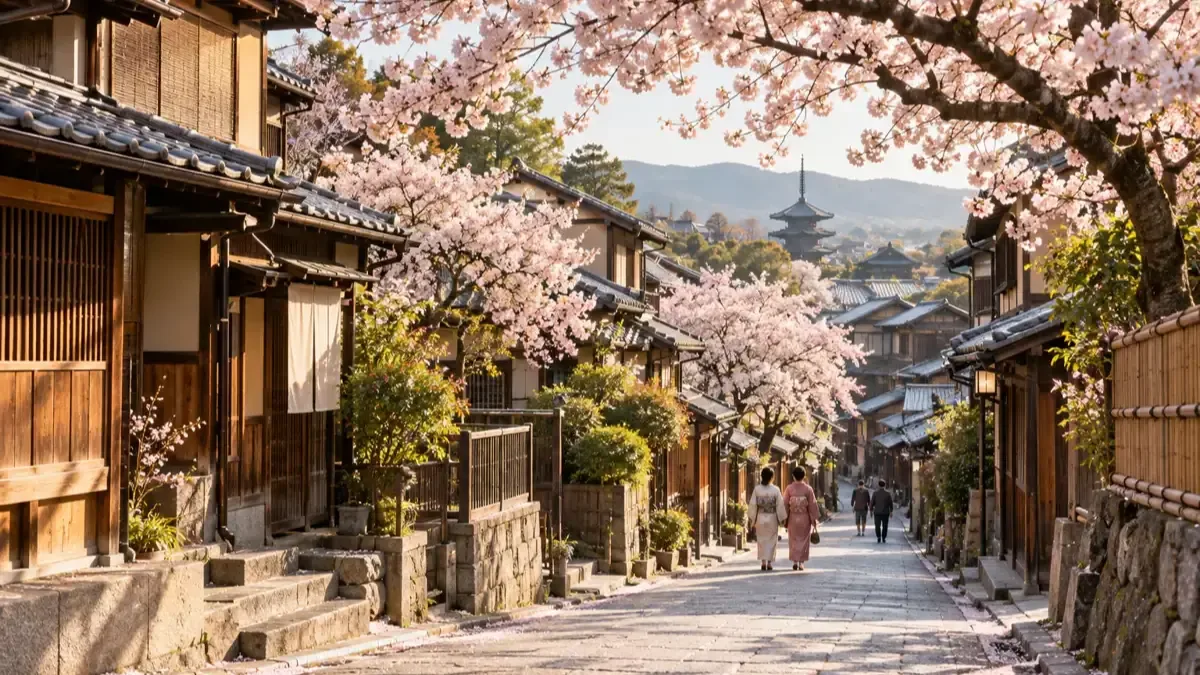
Late March to early April is a useful planning window for cherry blossoms in lowland Kansai. Timing varies by year, variety and elevation. Book transport and hotels, then adjust viewing locations using bloom updates before departure.
- Osaka: choose Osaka Castle Park or Kema Sakuranomiya Park as your main stop, with time for walking and lunch.
- Kyoto: group temples and streets around one area, such as the Philosopher’s Path, rather than crossing cities.
- Nara: Nara Park suits city walks. Plan Yoshinoyama as a separate mountain outing, not a quick addition to central Nara.
With children or older travellers, agree on comfortable walking distances first. One main blossom area and a nearby indoor alternative are easier to adjust than three cities in a day.
02 | Summer: outdoors early and late, rest at midday
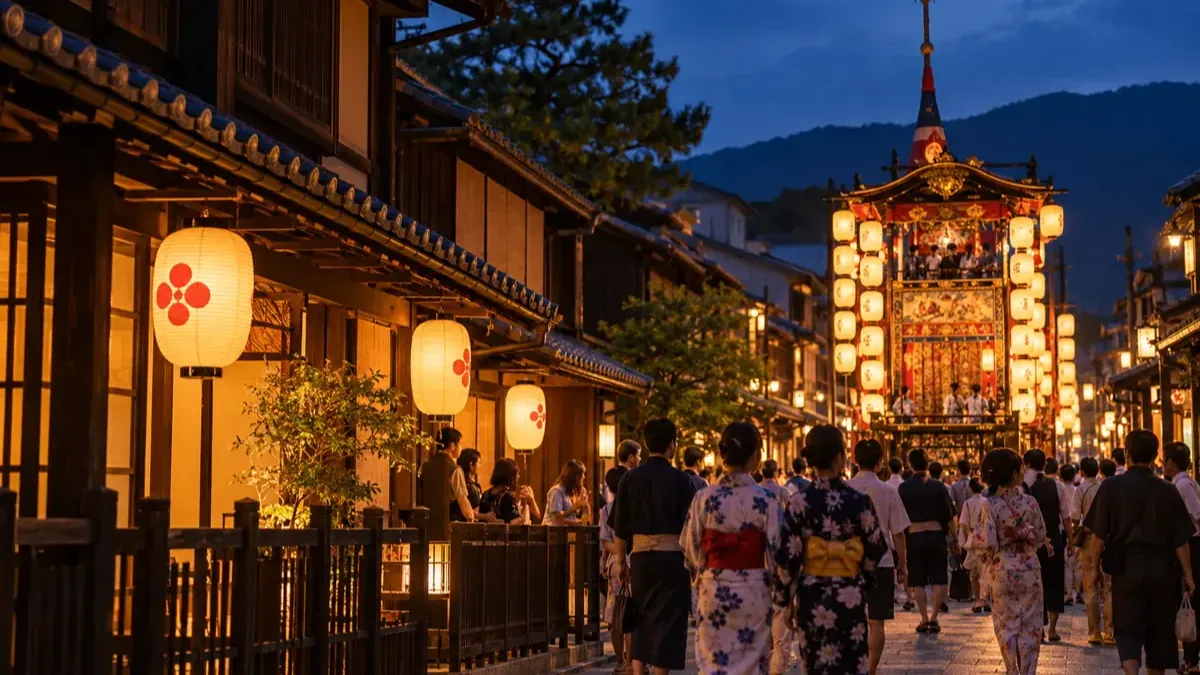
Allow for rainy-season weather in June and hot, humid conditions in July and August. Walk outdoors in the morning or evening and use midday for indoor visits, meals and rest, especially with young children or older travellers.
For Tenjin Matsuri, Gion Matsuri or fireworks, first check that year’s dates, admission or booking rules and return transport. Keep the day centred on the event area rather than adding distant attractions.
Route idea: morning walk → indoor visit and midday rest → evening event. If heavy rain or cancellation intervenes, use museums, shopping or dining near your hotel after checking opening days.
03 | Autumn: choose mountains or city gardens
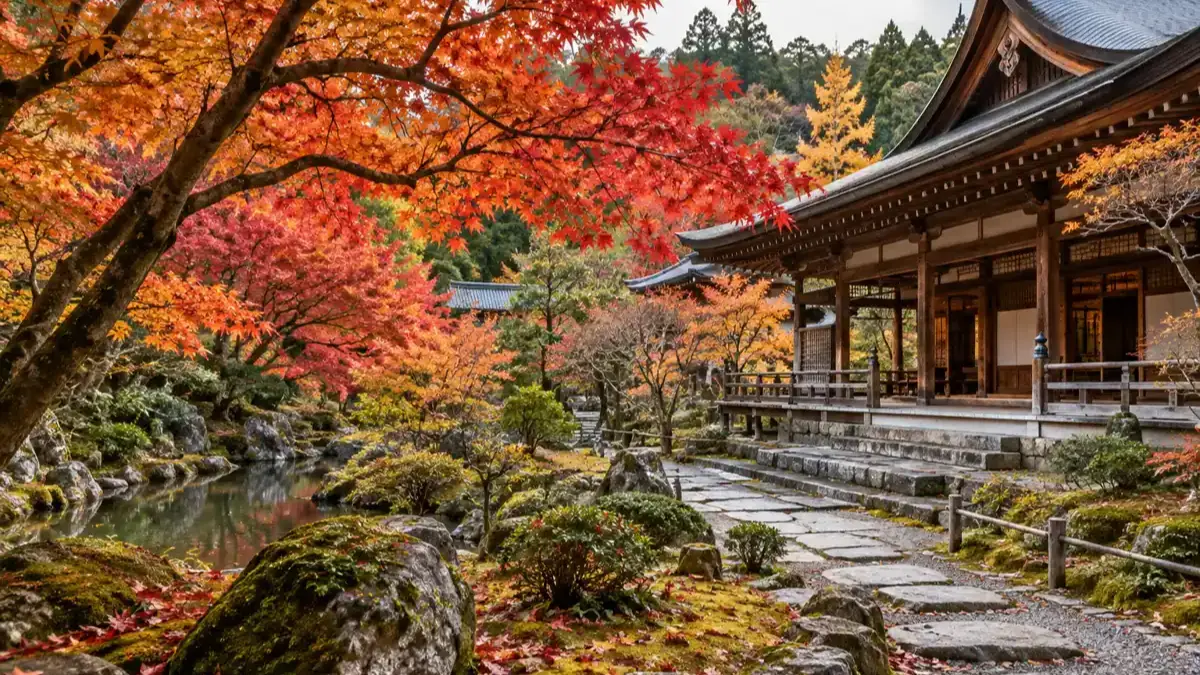
September can still be hot. Use around November as a starting point for Kyoto foliage planning: mountain areas tend to colour earlier, while some city sites may remain colourful into early December. Check each location’s current conditions closer to travel.
- Arashiyama, Kyoto: combine the riverside, gardens and nearby temples without adding several distant districts.
- Minoh, Osaka: plan around the valley walk, checking distance, weather and trail access.
- Mount Rokko and Arima Onsen, Kobe: check transport connections before dividing time between mountain views and bathing.
Secure accommodation first and leave roughly half a day flexible. Special evening visits may need separate tickets or reservations; allow travel time around booked slots.
04 | Winter: build around hot springs and city visits
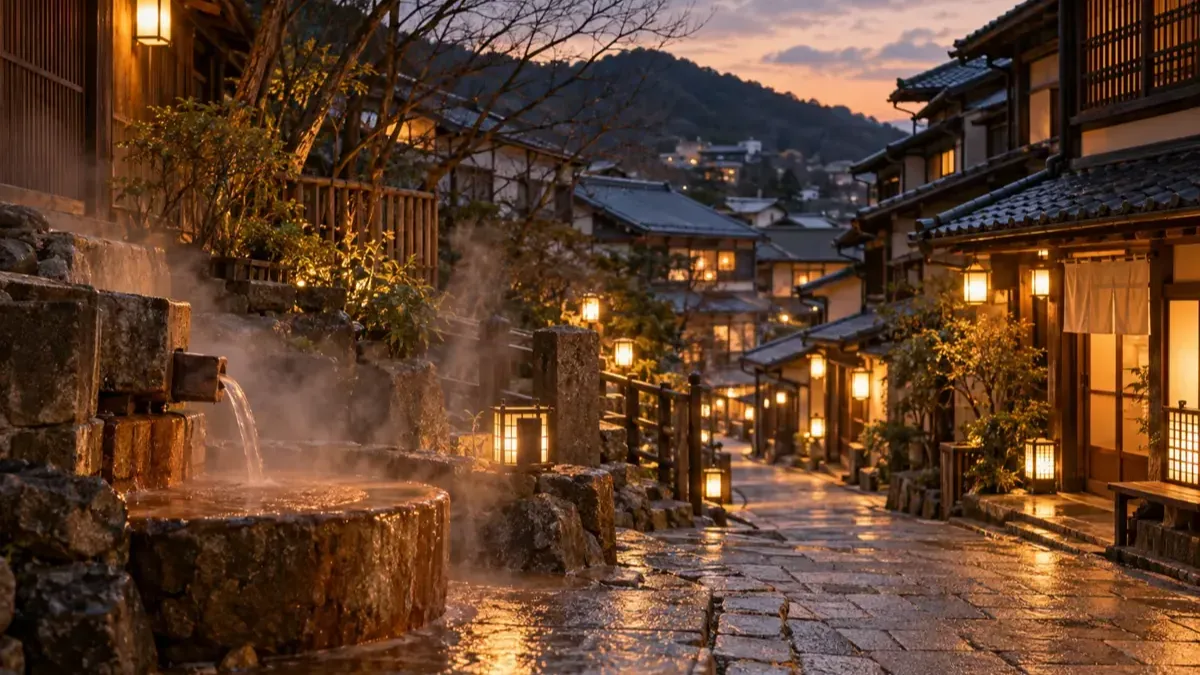
From December to February, consider Arima Onsen, Kyoto temple walks or Osaka indoor attractions and night views. Do not base a fixed itinerary on snowfall in central Osaka or Kyoto.
For mountain areas such as Koyasan, check transport, snow and icy surfaces. Use suitable footwear, reduce walking stops and complete the main travel before dark. Snow scenery depends on conditions on the day.
Check restaurant and attraction opening days around New Year. Use city indoor visits or hot springs as weather alternatives instead of suddenly adding long journeys in search of snow.
05 | Priorities when your dates are fixed
| Priority | Book or plan first | Keep flexible |
|---|---|---|
| Blossoms or foliage | One main viewing area | Half a day to adjust to conditions |
| Festivals or evening events | Dates and reserved time slots | Reduce long daytime journeys |
| Children or older travellers | Nearby stops, fewer transfers and rest breaks | Drop a second demanding activity |
| Food and shopping | Any season, subject to opening days | Have a rainy-day option in the same area |
If seasonal colours are not at their peak, focus on temples, neighbourhoods, food or indoor exhibitions. You do not need to change hotels daily just to follow blossoms or foliage.
06 | Prepare your seasonal travel enquiry
Share your dates and trip length, group size and children’s ages, hotels, one or two priorities, comfortable walking and travel times, and flexibility for weather changes. Include dates and time slots for tickets already purchased.
TUKISUMI will assess routes, transport and costs around your dates, accommodation and group. See custom Kansai travel for budgeting and activity choices.