
Published:
Updated:
Define the setting and purpose
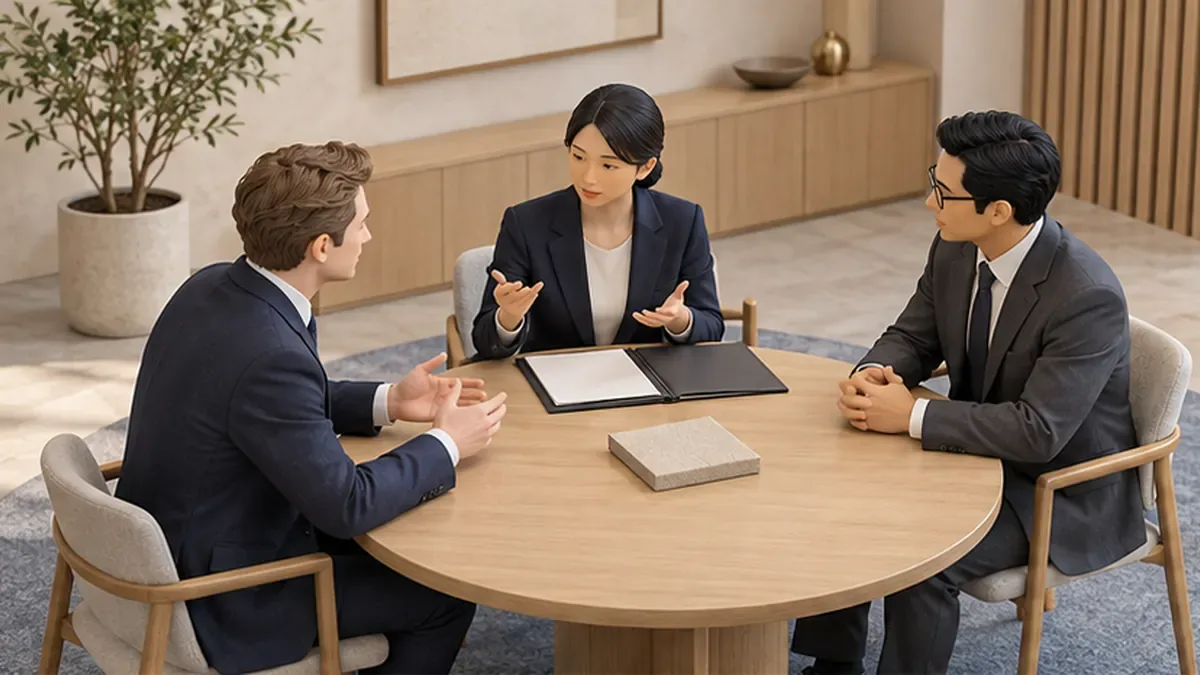
Trade-show reception, company visits, purchasing discussions, and technical meetings do not all require the same interpreting arrangement. Clarify whom you will meet, the languages involved, the venue, and the objective of the discussion.
For ordinary conversations, escort or consecutive interpreting may be suitable. Larger meetings, rapid exchanges, or specialist presentations should be discussed in advance so the provider can assess the right personnel and format.
Prioritize industry terminology, not fluency alone
Business talks often cover product performance, manufacturing processes, specifications, lead times, and pricing. Fluency in daily conversation does not automatically mean familiarity with each industry's terminology.
Food, textiles, pet products, and industrial goods all have different technical vocabularies. Explain the level of specialization required. Company representatives and technical staff should still verify complex specifications and technical judgments; the interpreter supports accurate communication.
Share product and meeting materials early

An interpreting brief | Worked example
Share confirmed requirements first and give options for anything undecided. This example concerns industrial-product discussions.
| Field | Example |
|---|---|
| Date, venue and hours | An Osaka exhibition venue, 10:00–17:00 on the event date; list meeting slots and breaks separately. |
| Languages and format | Chinese and Japanese; booth reception plus two booked meetings, using consecutive interpreting. |
| Industry and topics | LED work lights: illuminance, colour temperature, power supply, samples, MOQ and lead times. |
| Roles | Sales confirms prices and terms; technical staff confirm specifications; the interpreter conveys and clarifies. |
| Preparation materials | Catalogue, specifications, meeting contacts, agreed terminology and the permitted pricing range. |
| Quotation scope | Preparation, travel, overtime, cancellation terms and any written meeting notes. |
Use a three-column glossary: source term / agreed translation / unit or note. Examples: illuminance / 照度 / lx; colour temperature / 色温度 / K; minimum order quantity / 最低発注数量 / units. Have the company check figures and units and agree how unpublished information may be used.
Agree on hours, scope, and charges
State the date, venue, languages, attendee count, expected hours, and tasks. Confirm whether advance briefings, local travel, breaks, overtime, and post-meeting notes are included. If booth reception and scheduled meetings overlap, clarify priorities.
Pricing varies with language pair, subject expertise, hours, travel, and preparation. Check minimum charges, travel and accommodation expenses, overtime, and cancellation or rescheduling terms instead of comparing daily rates alone.
Specify written translation separately
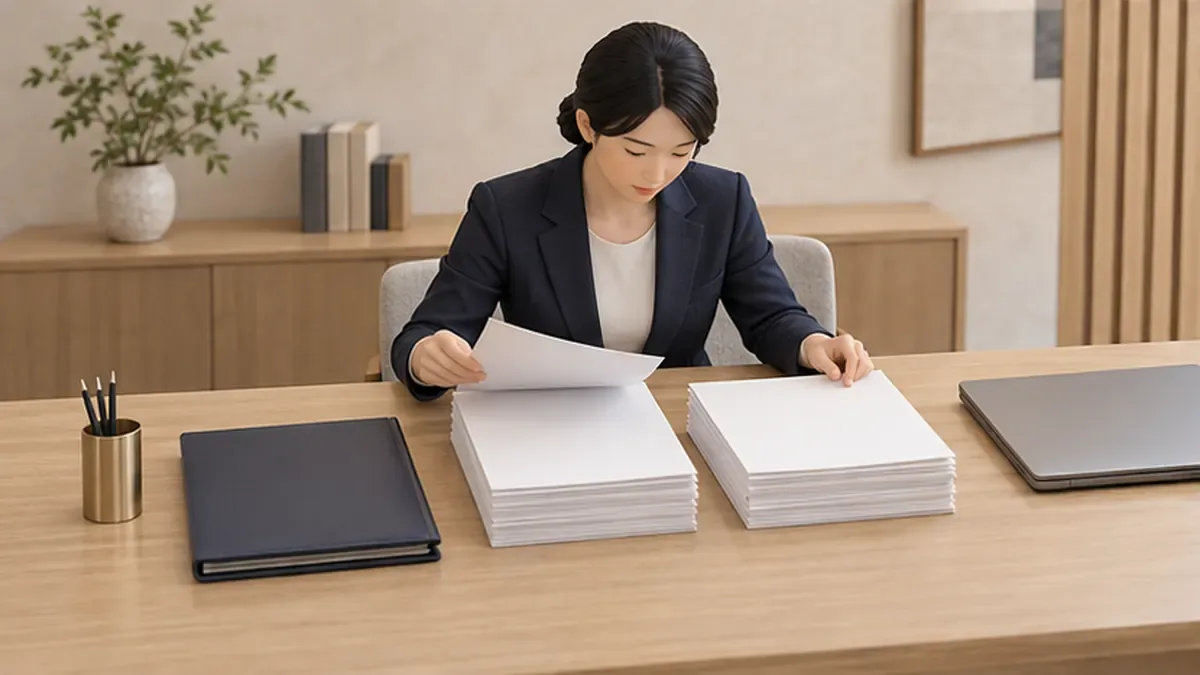
Company profiles, catalogs, presentations, quotations, and emails may need written translation before or after meetings. Specify source and target languages, file formats, page count, deadlines, revision scope, and preferred terminology.
Contracts, regulatory matters, and formal submissions may require appropriately qualified experts.
Confirm key commercial terms in writing
Ask both sides to clarify uncertain figures, units, or technical expressions during the meeting.
Afterward, record prices, quantities, quality requirements, delivery dates, and next actions in writing for each company to verify. If you need follow-up Japanese emails, supplemental documents, or continued communication support, discuss these as part of the requested scope.