
Published:
Updated:
01 | Understand the Japanese Company's Business Role
Japanese companies may operate across importing, wholesaling, branded retail, and manufacturing. Identify their actual role in a transaction and the department responsible before arranging a meeting.
Your contact may not hold final purchasing authority. Confirm the company's needs, relevant departments, and decision-making process so discussions reach the right people.
- Trading companies and importers: Review product categories, import operations, sales channels, and purchasing authority.
- Wholesalers and distributors: Identify principal customers, distribution coverage, and wholesale terms.
- Brand owners and retailers: Understand product positioning, supplier onboarding, and procurement requirements.
- Manufacturers: Confirm technical needs, specifications, quality standards, and supply capacity requirements.
02 | Prepare Product Information and Trading Terms
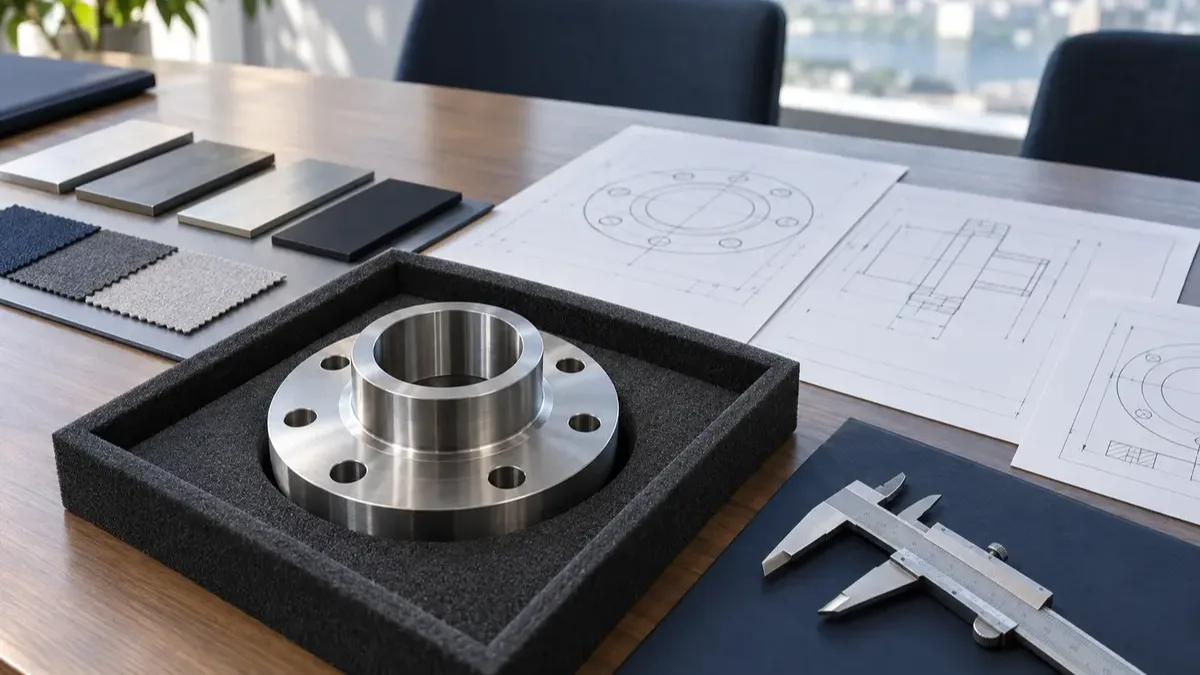
Business discussions may cover technical assessment, sample testing, quality management, and supply conditions. Prepare information according to the product and the Japanese company's requirements.
Documentation and testing needs vary by sector and company. Prioritize what the prospective buyer actually requests. For confidential technology, processes, or commercial information, consider a non-disclosure agreement (NDA) and define what may be shared.
- Products and technology: Specifications, materials, performance, applications, and relevant test data.
- Standards and certification: Applicable Japanese technical standards, labeling rules, certification requirements, and supporting documents.
- Samples and quality: Sample arrangements, testing conditions, inspection records, and quality-management information.
- Quotation and supply: Currency, minimum order quantity (MOQ), capacity, lead times, and delivery terms.
- Meeting documents: Product catalogs, specifications, presentations, and quotations in Japanese or English.
03 | Arrange Company Visits and Business Meetings
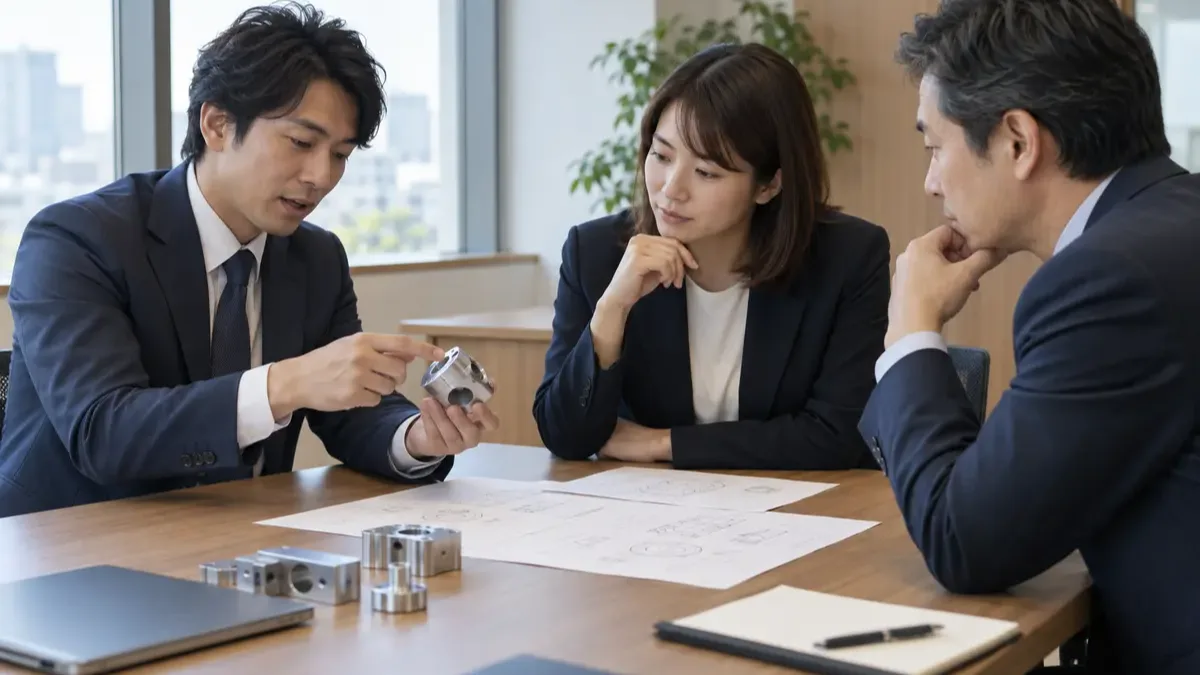
Set the agenda according to the purpose of each meeting and confirm that the appropriate Japanese departments and representatives will attend.
Confirm the host company's willingness to receive the visit, proposed topics, attendees, and expected discussion points. For factory, laboratory, or R&D visits, verify access rules, permitted areas, photography restrictions, and confidentiality requirements in advance.
- Initial discussions: Clarify business needs, product suitability, and next steps.
- Technical evaluation: Discuss specifications, samples, and validation conditions with engineering, R&D, or quality teams.
- Purchasing discussions: Review quotations, supply capacity, and transaction arrangements with procurement personnel.
04 | Identify Local Support Needs in Japan
A one-page visit brief | Worked example
Define the intended meeting outcome before selecting interpreting, transport and coordination support. This example assumes a component supplier visiting Osaka.
| Field | Example |
|---|---|
| Purpose and contacts | Meet two equipment manufacturers to clarify component specifications and sample assessment. |
| Dates and participants | Two days in Osaka; list available meeting slots. One sales and one technical representative. |
| Product materials | Company profile, material and tolerance sheets, quality records and available samples. |
| Meeting topics | Specifications, expected usage, testing, MOQ and lead times. |
| Local support | Contact coordination, Chinese–Japanese consecutive interpreting and transfers between meetings. |
Separate confirmed visits from companies not yet approached. See business interpreting in Japan for preparation materials.
Local Business Support in Japan
Based in Osaka, TUKISUMI assists overseas companies with business visits, company meetings, interpretation, and related activities in the Kansai region.
For inquiries, please share your proposed travel dates, target companies, and required services through our business inquiry form.
- Business Inquiry