
Published:
Updated:
01 | Prepare Before Traveling to Japan
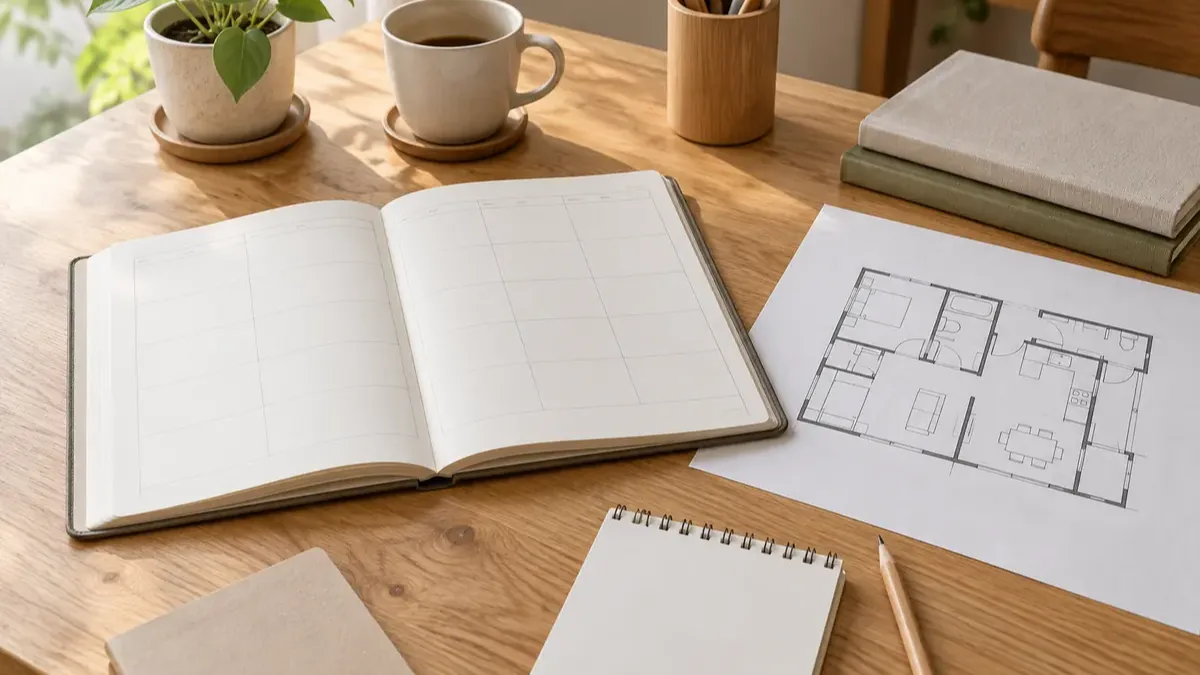
Share your travel dates, available viewing times, and the names or links of properties that interest you so viewing arrangements can be explored.
If you have not selected properties, start by sharing your budget, purchase purpose, and preferred areas.
- Property status: Confirm whether the property is still for sale and whether an interior viewing is possible.
- Viewing restrictions: Owner-occupied or tenanted properties may not be accessible for interior viewings.
- Schedule and travel: Allow time between properties and confirm meeting locations in advance.
02 | What to Check During a Viewing
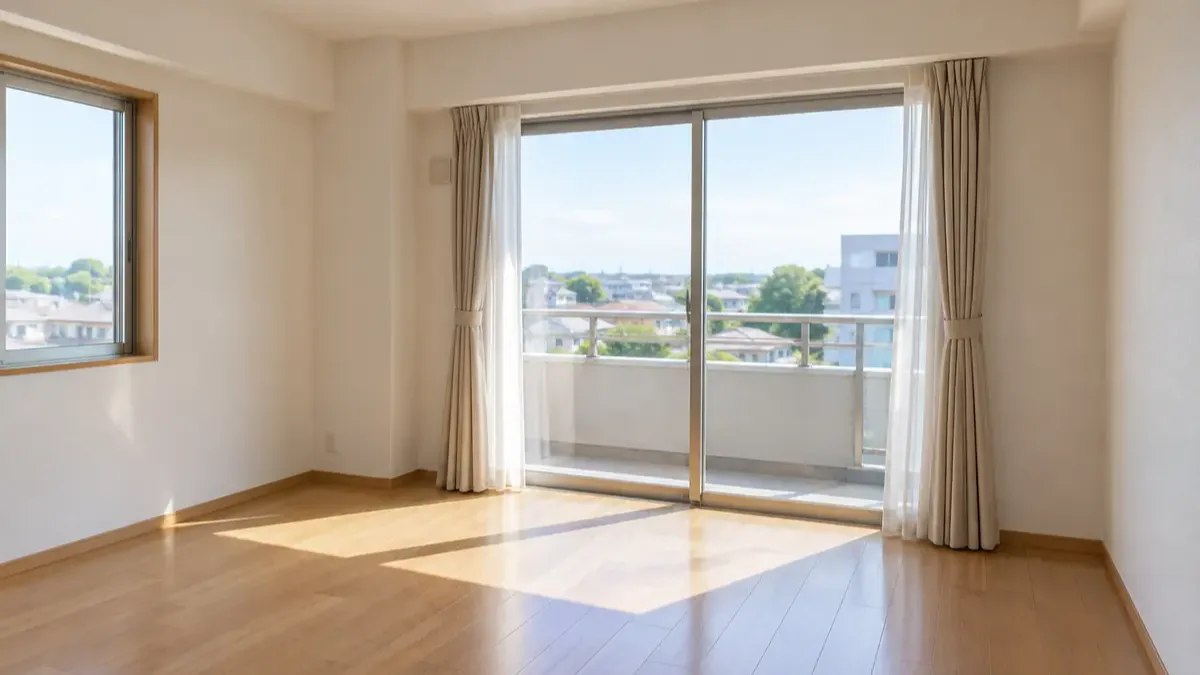
Beyond the layout and fixtures, check the building condition, surroundings, and whether the property suits its intended use.
- Interior: Light, ventilation, odors, signs of leaks, and fixtures.
- Surroundings: Transport, daily amenities, roads, and noise.
- Condominiums: Common areas, management, fees, and repair reserves.
- Detached houses: Exterior, road access, repair needs, and rebuilding conditions.
- Rental use: Existing tenancies, maintenance, and future letting conditions.
03 | Sales Sheets and Property Records
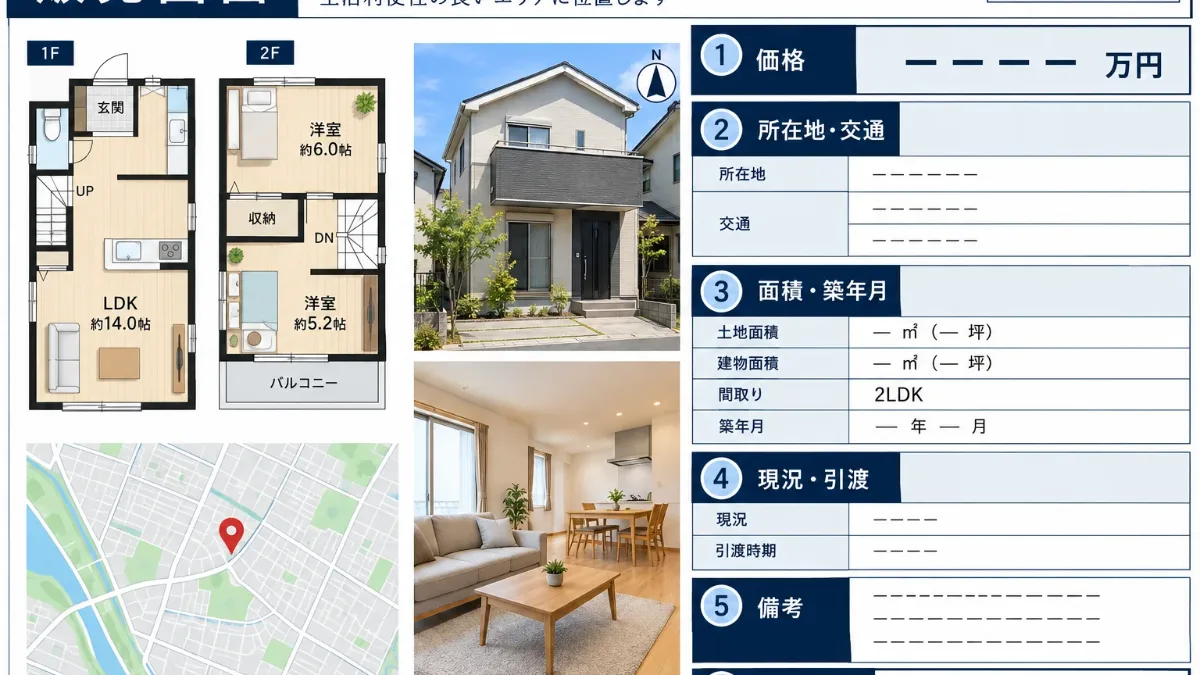
A Japanese sales sheet (販売図面) gives an initial overview of a listing, often including price, location, transport, area, age, layout, occupancy, and transaction terms. Compare its plans and photos with the property and note any gaps.
The '取引態様' field identifies the advertising business's role: seller (売主), agent (代理), or intermediary (媒介). It does not alone determine whether the buyer owes a brokerage fee; check the actual engagement and contract terms. General, exclusive, and exclusive-exclusive brokerage agreements are separate engagement types, not transaction roles.
A sales sheet is not a complete due-diligence report. Before buying, review available records, the explanation of important matters, and formal transaction conditions.
- Detached houses: Road access, rebuilding conditions, registry information, and repair records.
- Condominiums: Rules, management fees, repair reserves, long-term repair plans, and arrears.
- Tenanted properties: Lease, rent, transferred deposits, and tenant-related conditions.
- All properties: Disaster exposure, property condition disclosures, equipment lists, and seller disclosures; records vary by property.
04 | Compare and Confirm After Viewings
Compare prices, locations, condition, ownership costs, and intended use on a consistent basis, and list anything still unverified.
A viewing is only an initial assessment. Before purchase, review title, legal restrictions, and the explanation of important matters. For investment properties, assess rental income, vacancy, and repair risks as well.
- Price and costs: Total acquisition costs, management and repair expenses, and fixed asset tax.
- Use: Residential or rental needs, access, and upkeep.
- Next checks: Title, transaction terms, required documents, and outstanding questions.
Arrange Property Viewings in Japan
TUKISUMI offers consultations on buying property in Japan. Share your purchase requirements, planned travel dates and properties of interest so that the next arrangements can be discussed.