
Published:
Updated:
01 | Before your first purchase consultation

Clarifying your purpose, property price budget and priorities helps make the first consultation and property search more efficient.
- Purpose: personal use, a holiday home, rental investment, asset holding, family use or business use.
- Preferred areas: Osaka, Kyoto, Kobe, Tokyo or elsewhere; you may also request area suggestions.
- Property price budget: set a yen limit and allow separately for brokerage, taxes and registration costs.
- Property type: condominium, detached house, income-producing building or commercial property.
- Priorities: transport, building age, intended use, rental income and management needs.
- Funding: available cash, potential financing, source of funds and target purchase date.
02 | Finding and assessing a property
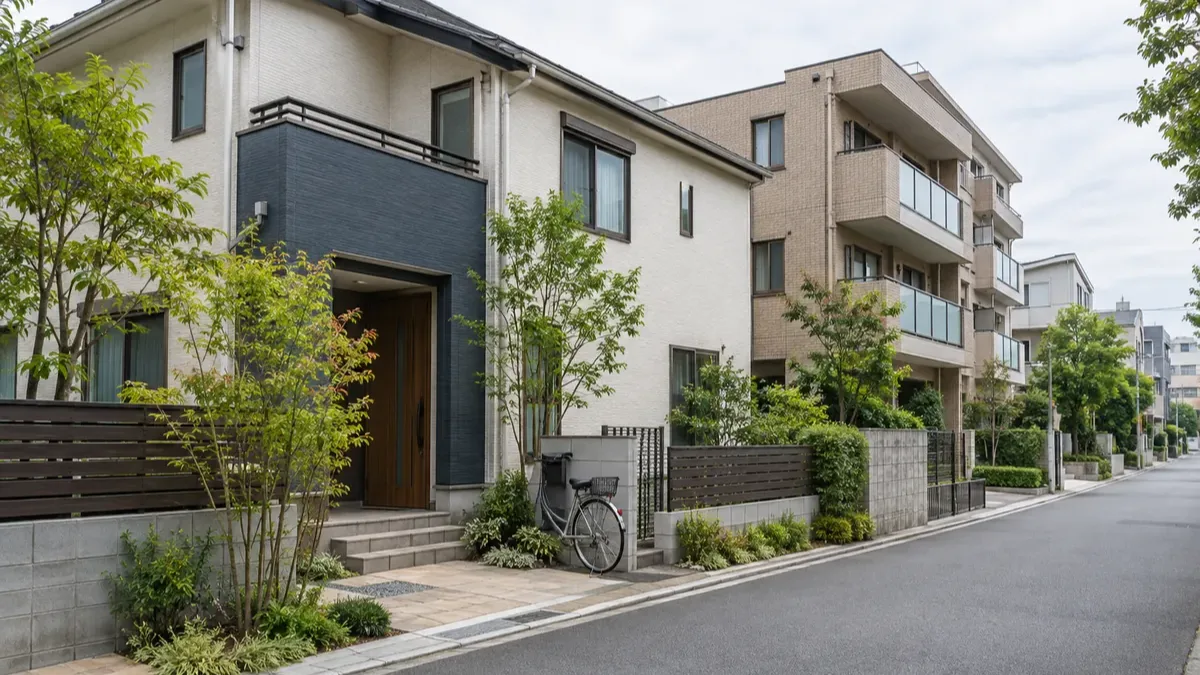
Once you find a candidate, review not only the price and condition but also the registered owner, total acquisition cost and payment arrangements.
Decide the ownership structure before signing. Company ownership does not automatically reduce taxes, and changing ownership after purchase may involve a new transfer and additional costs.
For a single cross-border payment or receipt exceeding JPY 30 million equivalent, check whether a payment/receipt report under Japan's Foreign Exchange Act is required and whether any exemption applies. Bank checks on the purpose and source of funds can apply below that amount too.
- Ownership: an individual, co-owners with agreed contributions and ownership shares, or a Japanese or overseas company. Corporate buyers should consider accounting, tax and maintenance costs.
- Total costs: purchase price, brokerage, registration, judicial scrivener fees and applicable taxes.
- Funding and loans: available cash, loan eligibility, payment timing and source-of-funds evidence such as account records or transaction documents.
- International transfers: confirm the purpose, recipient, evidence required, exchange rates, fees and arrival time with both banks. Bank source-of-funds checks are separate from statutory foreign-exchange reporting.
- Title and condition: legal rights, earthquake resistance, repair history, management and legal restrictions.
- Rental investment: rent, vacancy risk, repairs and actual holding costs.
- After purchase: tax notices, repairs, property management and support in Japan.
03 | Contract, closing and ongoing ownership
After agreeing on terms, proceed through the explanation of important matters, contract, payment, ownership registration and handover. Required documents depend on nationality, residence and ownership structure; check them with a judicial scrivener before signing.
From April 1, 2026, the scope of foreign-exchange-law reporting for nonresidents acquiring property and related rights expanded. Where a report is required, the general deadline is 20 days after acquisition through the Bank of Japan, subject to applicable rules and exemptions.
- Individual registration: proof of identity, name and address; overseas residents should confirm accepted address evidence and any required signature certification, authorization and Japanese translation.
- Company registration: incorporation or registration, office address, representative authority and authorization records; overseas entities should also check their governing jurisdiction, document forms and translations.
- Overseas owners: provide Japan-based contact information for registration, or indicate that no such contact exists where permitted. Foreign nationals should also confirm Roman-letter name records.
- Nationality information: from October 5, 2026, individuals newly registered as property owners must provide nationality or region as search information. Japanese and foreign nationals, including those living overseas, should confirm the supporting documents needed.
- Contract and payments: review deposits, cancellation terms, final-payment deadlines and verified recipient accounts.
- Closing and registration: confirm title transfer, settlement, keys and delivered documents.
- Changes to registered details: since April 1, 2026, changes of address, name or company name generally require an update within two years of the change.
- Ongoing ownership: arrange tax notices, repairs and rental management; separately review taxes related to owning, renting or selling.
Common questions
- Can foreigners buy property in Japan? Generally yes. Ownership alone does not grant or extend immigration status, and particular transactions may face additional rules.
- Must an overseas buyer set up a Japanese company? No. Choose an ownership structure based on use, holding costs and management needs.
- Can I buy without a Japanese bank account? It depends on the transaction and financial institution; confirm payment and receipt arrangements early.
- Can I buy remotely? Some steps can use authorization, online explanations and mailed documents, while identification and registration requirements still apply.
Start with your purchase requirements
TUKISUMI provides Japan property purchase consultations, helping overseas buyers clarify their needs, property conditions and transaction matters.