
Published:
Updated:
01|Market Demand and Target Customers
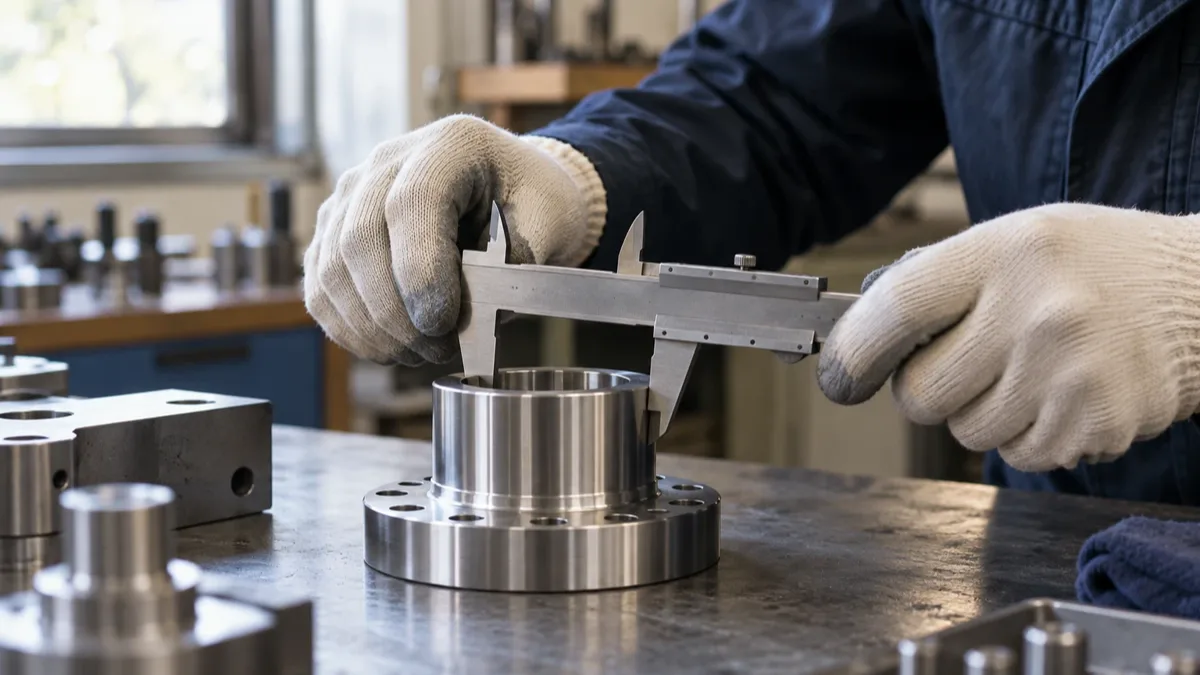
Start with customer needs rather than collecting company lists alone. A manufacturer offering machined metal parts to Japanese businesses should investigate material requirements, machining tolerance, consistency, lead times and supply capacity, in addition to whether similar parts are used.
Distinguish companies that could use the product from companies with a current purchasing requirement. The latter deserve priority in business development.
- Target industries: Which sectors and companies could use the product?
- Use cases: Production, maintenance, equipment replacement or consumables?
- Volume: One-off orders, recurring purchases or long-term supply?
- Priorities: Price, quality, delivery or technical support?
- Supplier switching: Are buyers facing price, capacity or delivery issues?
02|Competition and Product Positioning
Japan may already have domestic suppliers, imported brands and competing overseas vendors. A lower price alone may not justify switching an established supplier.
Advantages such as specialized machining, flexible small-batch production, consistent quality or faster delivery should solve a customer problem and be supported by evidence or real capacity.
- Specifications: Do materials, dimensions, precision and performance fit?
- Quality: Can you show consistent output and inspection records?
- Pricing: Are you still competitive after freight, duties and other costs?
- Capacity: Can you deliver reliably and accommodate changing order sizes?
- Support: Can you handle Japanese-language discussions, technical queries and complaints?
03|Corporate Purchasing and Supplier Screening

Clarify the application, specifications, expected quantity, evaluating team and timetable before investing in samples or visits. Contact with a sales representative is not purchasing approval.
04|Sales Channels and Trading Roles

Compare direct supply with distributor-led sales by assigning customer development, importing, inventory, collections and after-sales responsibilities. List costs and staffing needs to judge whether each model is sustainable.
05|Product Rules, Import Documents and Entry Barriers
Demand does not guarantee that a product can be imported or sold without further steps. Legal requirements differ by product category, material, intended use and classification; distinguish them from a buyer's private quality standards.
Check product rules, testing and labeling, import restrictions, HS classification, origin, tariffs and Japanese import consumption tax. HS codes must be determined from actual product characteristics, not merely translated item names.
Incoterms® terms such as FOB, CIF, DAP and DDP affect transport, insurance, import clearance and tax responsibilities. State the agreed term in quotations and contracts. The documents below depend on the product and shipment; not all are mandatory for every consignment.
- Commercial Invoice: Commercial shipment invoice.
- Packing List: Packing details.
- Bill of Lading / Air Waybill: Sea or air transport document.
- Certificate of Origin: Where needed for origin, tariff or buyer requirements.
- Product records: Material certificates, drawings or inspection reports when applicable.
- Additional compliance: Regulated goods may require permits, testing, labeling or filings.
06|Trading Costs and Profitability
Separate import funding from profit
This hypothetical example imports 1,000 ordinary industrial items; all amounts are in JPY. Assume an FOB goods price of 1.8 million, freight of 180,000 and insurance of 20,000, with no other customs-value additions. The illustrative duty is 5%, combined import consumption taxes are 10%, and no other excise taxes apply. Verify actual rates against the HS classification and origin.
| Item | Calculation / JPY |
|---|---|
| Goods, freight and insurance to the Japanese import port | 1,800,000 + 180,000 + 20,000 = 2,000,000 |
| Customs value and duty | 2,000,000 × 5% = 100,000 |
| Import consumption-tax base | 2,000,000 + 100,000 = 2,100,000 |
| National and local consumption taxes | 163,800 + 46,200 = 210,000 (10% combined) |
| Japan-side clearance services and delivery | Assume a further 90,000; do not count the taxes above twice. |
| Funding for the listed items | 2,000,000 + 100,000 + 210,000 + 90,000 = 2,400,000 |
| Average across 1,000 items | JPY 2,400 of funding per item |
Include import consumption tax in the funding plan. Input-tax-credit eligibility depends on filing requirements and documentation; do not automatically treat it as a permanent expense or exclude it. Add storage, testing, channel and after-sales costs, then compare selling prices and expected volumes to assess profitability.
07|Research Conclusions and Next Steps
Turn research into a decision | Hypothetical example
For industrial components, organize the findings around decisions rather than ending with a company list.
| Observation | Missing evidence | Next action |
|---|---|---|
| Companies use similar components | Willingness to change suppliers and current purchasing volume. | Ask a small group of prospects about specifications and demand. |
| The product offers small-batch flexibility | Acceptable lead times, quality evidence and pricing. | Present specifications and sample terms to test buyer response. |
| An initial import-funding table is ready | Selling price, channel costs, after-sales costs and payment timing. | Complete the profitability and working-capital assessment before a trial order. |
TUKISUMI can discuss Japan-based information gathering, company contact and business communication according to the product and questions involved. Share your product category, target buyers, existing information and the decision the research should support.