
Published:
Updated:
01 | Understanding MICE
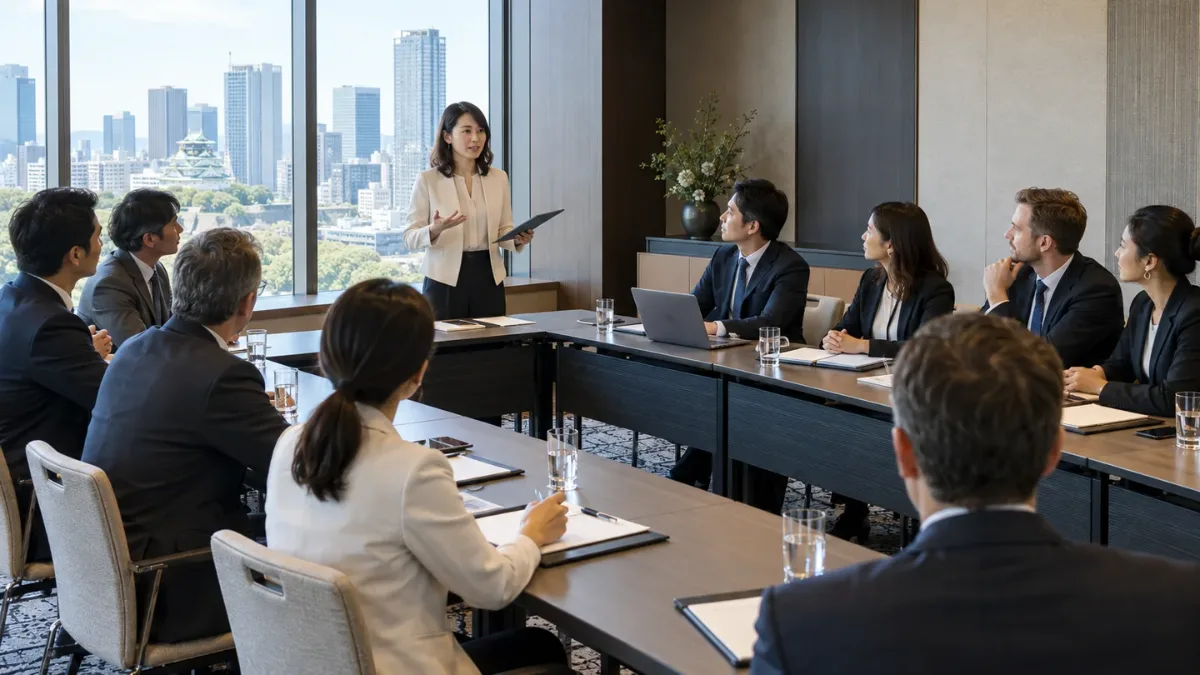
MICE covers Meetings, Incentive Travel, Conventions, and Exhibitions/Events. Each type of event involves different objectives, services and responsibilities.
For example, an overseas company might hold its annual meeting in Osaka and then reward employees with a Kyoto experience. Alternatively, an international conference organiser may already manage the programme and need a Japanese partner only for guest accommodation, transfers and interpreting. Clarify the event's purpose and the local services required before requesting proposals.
- Meeting: management meetings, training and corporate exchanges, with attention to venues, agendas and communication.
- Incentive Travel: staff or distributor rewards, focused on experiences, recognition and group transport.
- Convention: international, academic or industry conferences, requiring attendee services and multi-party coordination.
- Exhibition / Event: trade shows, launches and networking events, where venue logistics and specialist roles matter.
02 | Requirements and Budget
A complete event proposal is not essential for the first enquiry, but the purpose, approximate scale and budget should be clear. Corporate meetings often prioritise venues, equipment and interpreting; incentive trips require experiences, dinners and transport; international guest programmes may place greater emphasis on staggered arrivals and on-site coordination.
Separate essential elements from flexible options, and indicate whether international flights, taxes, technical equipment and event staff are included. An initial hotel or venue quote may not cover the full cost of delivery.
- Purpose and format: meeting, employee rewards, client hospitality or international exchange.
- Dates: preferred dates, alternatives and main daily time slots.
- Attendees: total headcount, VIPs, staff and arrival groups.
- Budget and languages: overall or per-person budget, included costs, and Chinese/Japanese/English needs.
- Scope: accommodation, transport, venue, experiences, interpreting, Japanese contacts or guest reception.
03 | Venues, Hotels and Transport
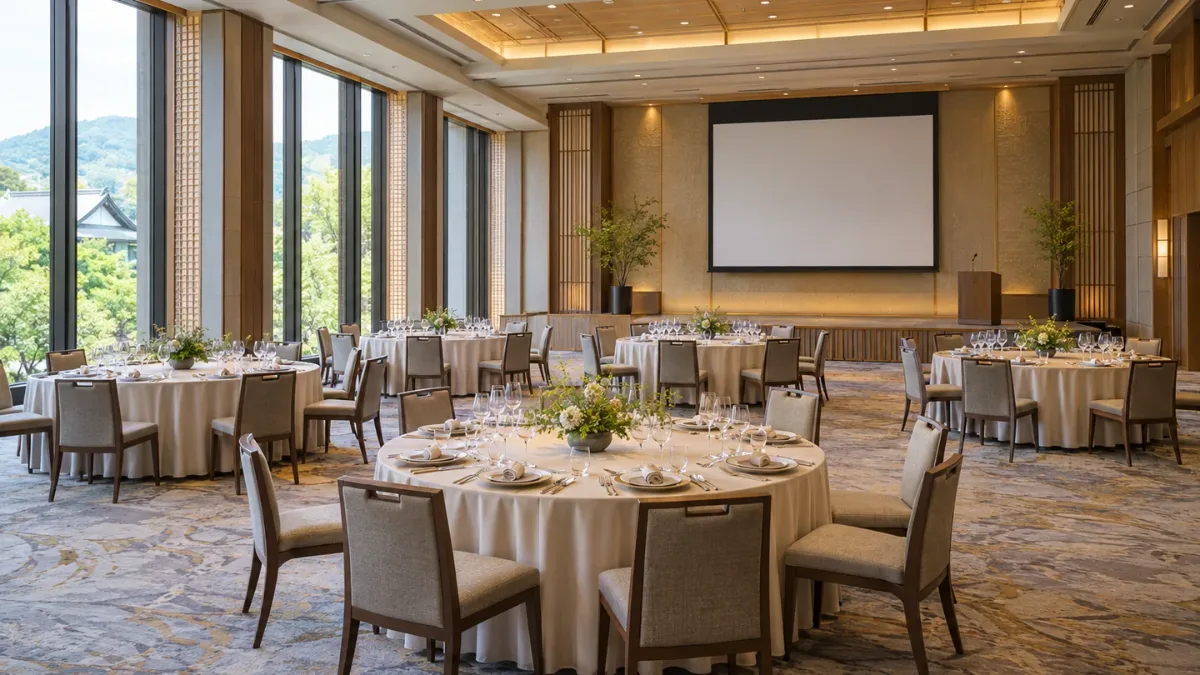
Osaka offers options for city-based meetings and business networking; Kyoto suits programmes combined with cultural experiences; Kobe offers meeting facilities and waterfront-area activities. The final choice depends on group size, dates, budget and actual availability.
If a group meets in Osaka in the morning, travels to Kyoto for an afternoon experience and returns to Osaka at night, organisers must allow for assembly, boarding, parking and journey times. Comparing venue rental fees alone can underestimate the total cost.
- Venue: capacity, seating layout, audiovisual systems, connectivity, setup and clearance time, extra charges.
- Accommodation: group room allocation, breakfast, cancellation terms and distance to the event.
- Transport: staggered airport transfers, coach capacity, luggage, pick-up points and evening returns.
- Catering: reception format, dietary needs, programme flow and equipment.
04 | Corporate Incentive Travel
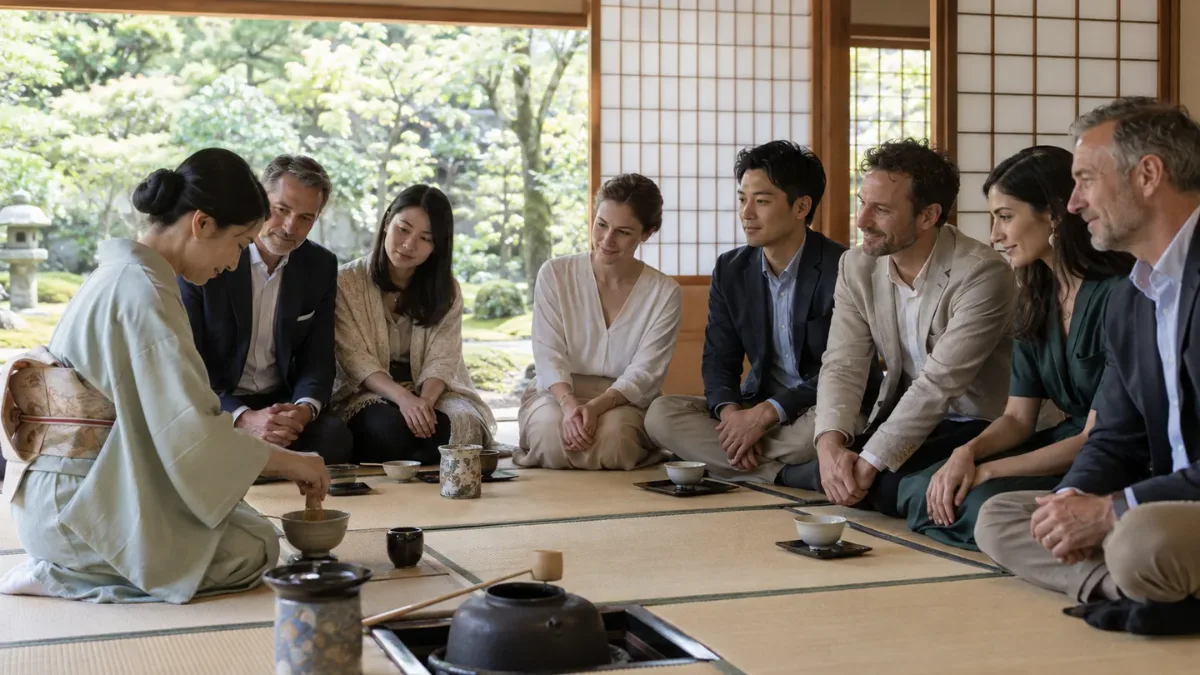
Incentive travel is more than sightseeing. Overseas companies may reward high-performing employees, host key distributors or build relationships between international teams. Programmes should reflect participants' needs and company goals rather than simply adding more stops.
A two-night, three-day Kansai incentive trip could combine arrival assistance, a corporate dinner, a Kyoto cultural experience, golf or suitable outdoor activities. Some groups may also need an awards segment, meetings with Japanese partners or special dining arrangements.
Depending on the project, TUKISUMI can assess arrangements for group travel in Japan, accommodation, transport and local experiences. Availability, season, participant suitability and safety requirements must be confirmed.
- Employee recognition: welcome dinner, reward programme and selected local experiences.
- Distributor hospitality: business networking, distinctive dining, cultural activities and golf.
- Executive groups: flexible meeting time and carefully chosen premium experiences.
- Balanced schedule: room for rest, informal exchange and a weather contingency.
05 | International Event Support
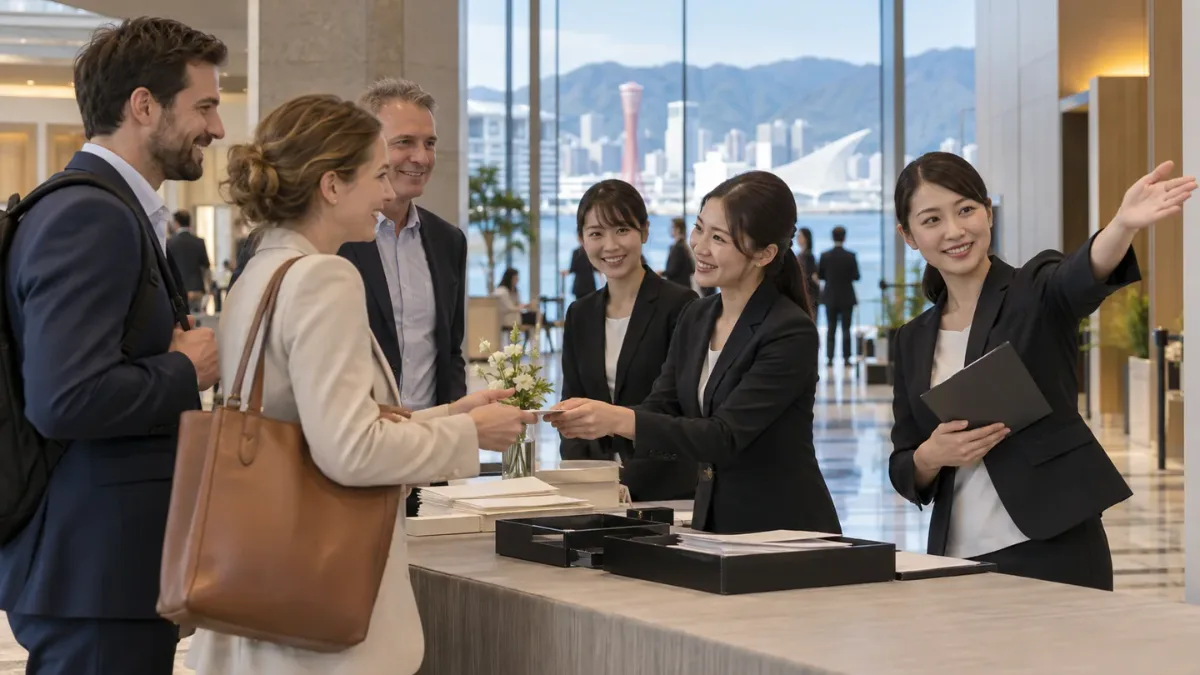
An overseas organiser may already manage the agenda, speakers and attendee list, yet still require Japanese support for hotels, transfers, interpreting, venue communication and reception. At a distributor meeting in Osaka, for example, the overseas headquarters can own the meeting content while local providers support suppliers and guests within an agreed scope.
Roles should be agreed in advance. The organiser retains programme ownership, participant management and decisions; the local contact handles its contracted travel and coordination tasks. Large-scale staging, lighting, sound, simultaneous interpreting equipment and livestream production should be assessed by qualified specialist suppliers.
- Business interpreting: corporate meetings, communication with Japanese partners and networking.
- Guest reception: assembly points, airport transfers, hotel check-in and on-site guidance.
- Local liaison: confirmations with hotels, venues, transport providers and other suppliers.
- On-site coordination: schedules, movement routes, change notices and contact between responsible parties.
06 | Before Engaging a Japanese Partner
Assume a two-day meeting and incentive event in Osaka for 40–60 people. Summarize objectives, possible dates, attendance, languages and budget, then separate the confirmed agenda from accommodation, transfers, dinner and activities still to arrange.
| Stage | Practical action |
|---|---|
| Before proposals | The organizer sets objectives, a budget ceiling and an approval contact; the local contact checks venue and service availability. |
| Before contracting | Itemize venue, rooms, catering, transport, interpreting and staff; also check taxes, equipment, setup and removal, overtime and cancellation charges. |
| Before each deadline | Finalize room allocations, names, dietary needs, arrival groups and payment according to hotel and supplier deadlines, recorded in one schedule. |
| Before and during the event | Share meeting points, contacts and a rain plan. The organizer’s designated contact approves changes before execution teams are notified. |
There is no single lead time for every event. Work backward from actual venue, hotel and supplier deadlines. Clarify inclusions, who arranges each item and how extras are charged. Use travel inquiries for travel arrangements, or business inquiries for meetings, interpreting and coordination.