
Updated:
Low-priced resale homes: why they cost less
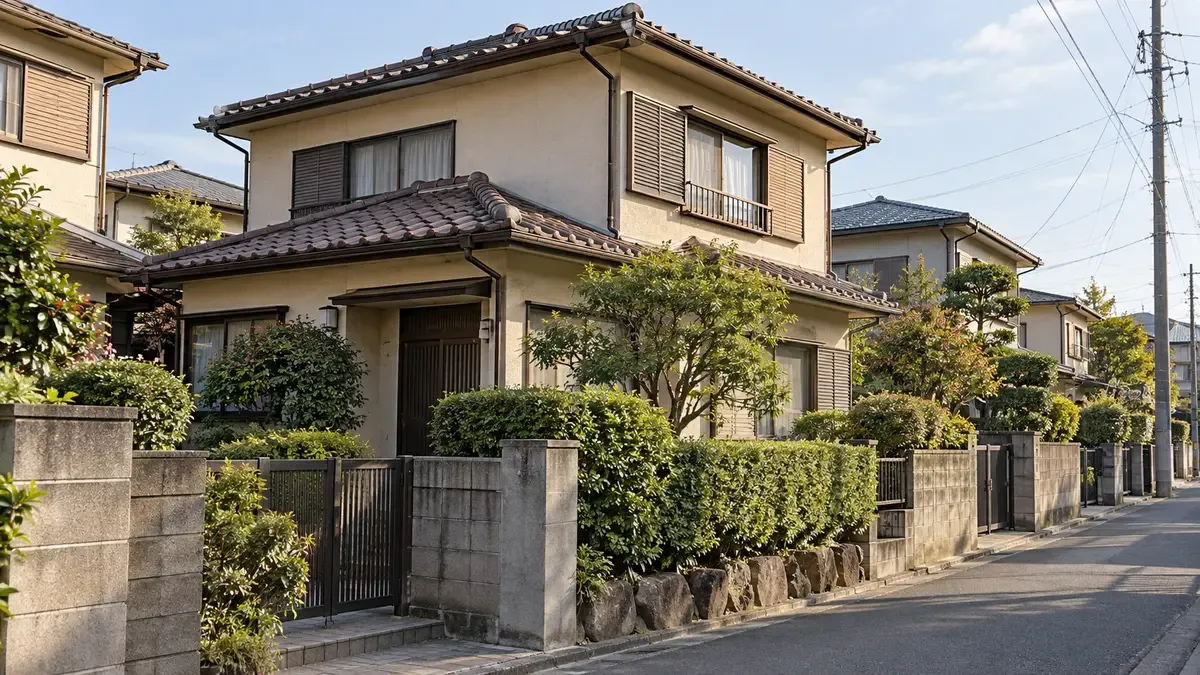
An inexpensive older detached house or condominium may reflect its age, location, weak tenant demand or restrictions on rebuilding and financing. A low purchase price does not guarantee easy letting or resale.
Compare local completed transactions and achievable rents, then assess whether necessary renovations would make the home suitable for prospective tenants.
- Location and demand: access, amenities, population trends and nearby vacant homes.
- Price and restrictions: land rights, building condition, permitted use and future buyers.
- Different costs: detached-house owners bear roof and exterior maintenance; condominium buyers must also check management charges and repair reserves.
Illustrative returns: 9% gross versus 3.53% cash remaining
This is a wholly fictional example of one older detached house. Prices, rents, vacancy and expenses are not actual listings or market quotations. It assumes an all-cash purchase without borrowing.
Annual repair and tenant-turnover amounts are cash set-asides, so actual spending can differ. The 3.53% figure is a pre-tax cash-remaining ratio under these assumptions, before income tax and the other excluded costs listed below.
- Upfront funds: ¥8.00m price + ¥0.64m purchase costs + ¥1.00m initial repairs = ¥9.64m.
- Gross yield: ¥60,000 monthly rent × 12 = ¥720,000; ¥720,000 ÷ ¥8.00m = 9.00%.
- Vacancy: assume two vacant months per year, leaving ¥60,000 × 10 = ¥600,000 rent received.
- Annual costs and set-asides: property taxes ¥70,000, insurance ¥20,000, rental management ¥30,000, maintenance ¥100,000 and tenant turnover ¥40,000; total ¥260,000.
- Pre-tax cash remaining: ¥600,000 − ¥260,000 = ¥340,000; ¥340,000 ÷ ¥9.64m ≈ 3.53%. Excludes income taxes, finance charges, future sale costs and major repairs beyond the allowance.
Before purchase: buildings, land and condominium management
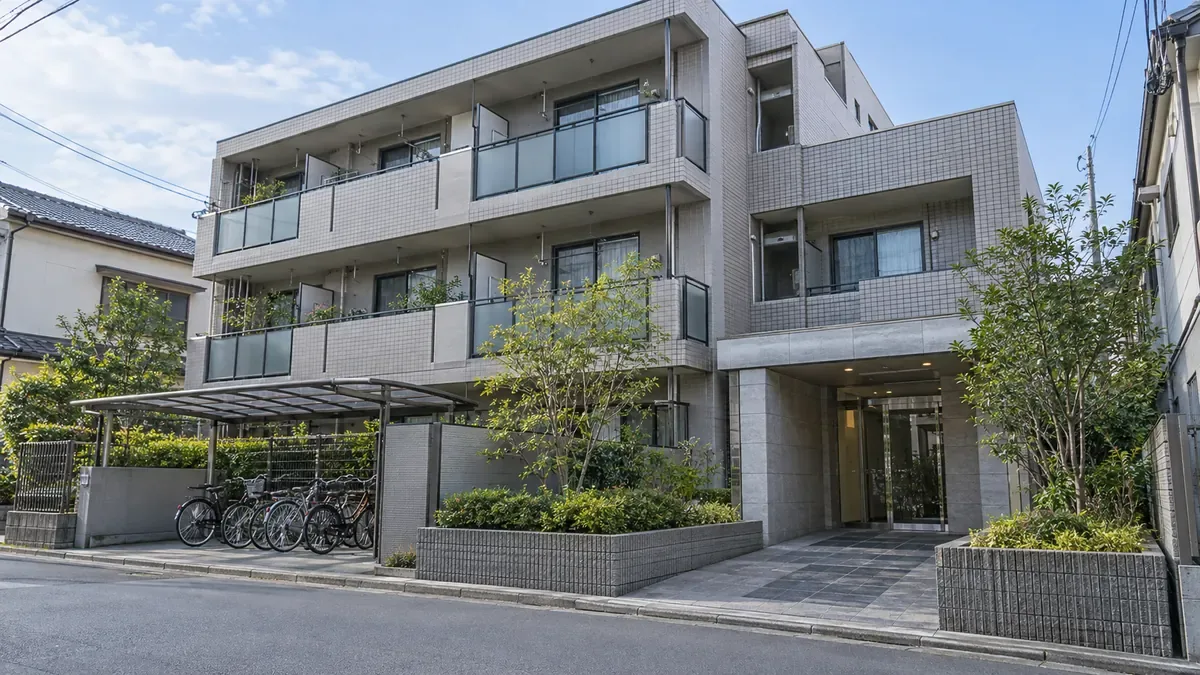
Japan introduced its new seismic design standards in June 1981, with further clarification of key wooden-house requirements in 2000. Construction dates are only screening clues; drawings, workmanship and expert inspection matter.
Building sites generally must satisfy statutory road-access requirements. Inadequate access may restrict rebuilding, but whether a site cannot be rebuilt requires a case-specific review of the road and applicable permissions.
- Older houses: roof, leaks, termites, foundations, plumbing, equipment ageing and repair records.
- Land and title: freehold versus leasehold, boundary lines, road shares, frontage and rebuilding potential.
- Planning: zoning, building coverage and floor-area limits, unauthorized additions and consistency of records.
- Resale condominiums: management-association finances, long-term repair plan, reserves, charges and arrears.
Rental and resale: risks beyond cash flow
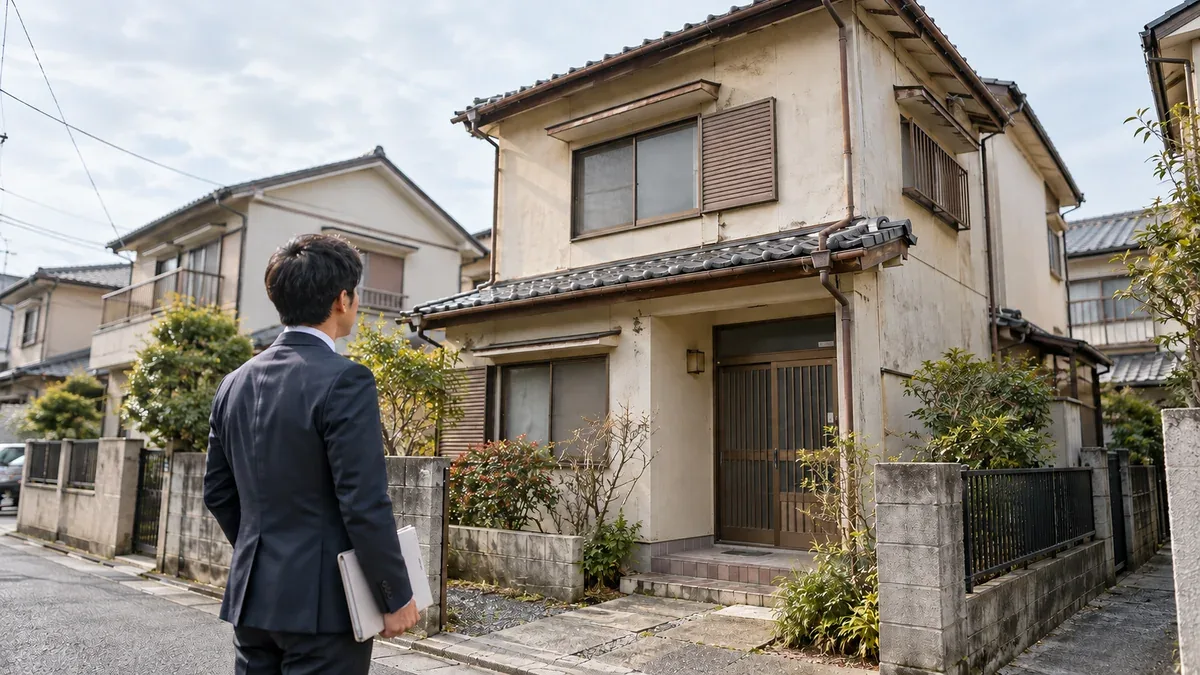
Benchmark rent against comparable local properties by age, layout and location. Vacancy, turnover cleaning and repairs, and equipment replacement may reduce income below a fully occupied projection.
An inexpensive ageing property may also face a smaller resale market because of deterioration, road-access or title restrictions, and buyers' financing limitations. A high advertised yield does not remove exit risk.
- Before letting: estimate marketing time, realistic rent and essential renovation.
- During ownership: reserve funds for equipment failure, turnover and unexpected major work.
- On resale: examine land value, buyer demand, financing availability and transaction costs.
Overseas ownership: management and tax arrangements
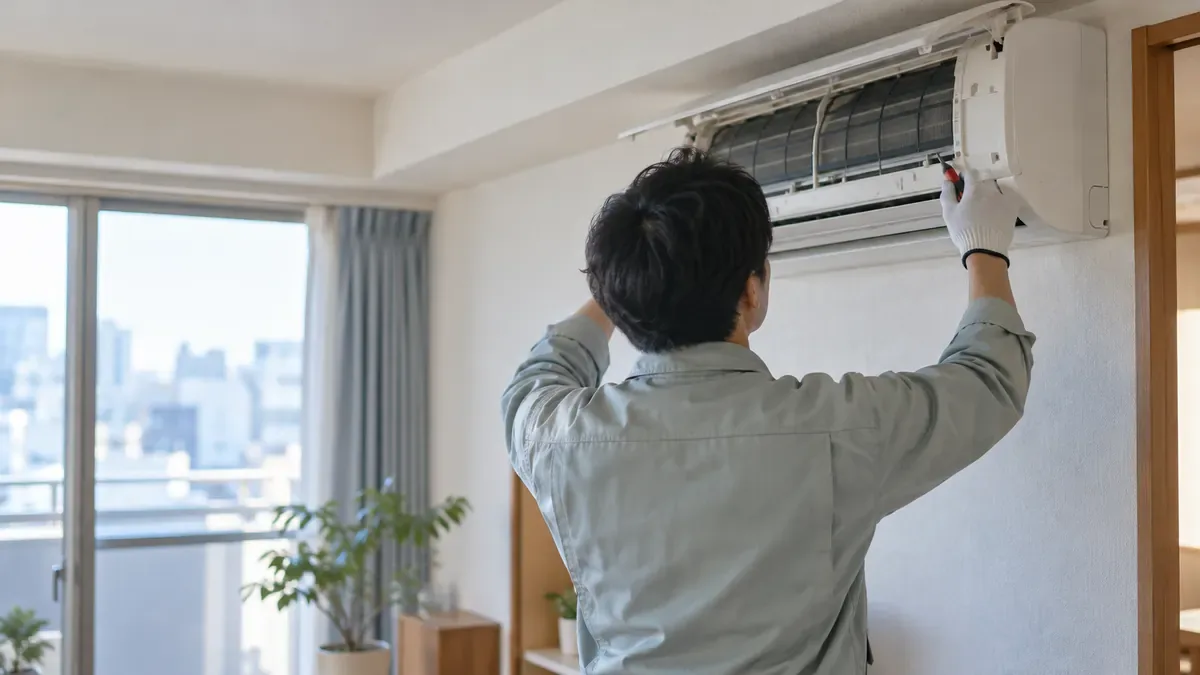
Overseas owners need arrangements for rent collection, tenant communication, repair approvals and emergencies. They should also confirm Japanese rental-income filing obligations, whether a tax representative is required, and overseas remittance procedures.
Rent paid to a nonresident landlord may trigger withholding obligations for the payer. There are statutory exceptions, including certain payments by individuals renting homes for themselves or relatives. Treatment depends on the payer, use and circumstances; qualified tax professionals should handle tax determinations and returns.
When assisting overseas clients with rental-investment purchases, TUKISUMI generally expects rental management to be arranged. Approximately 5% of rent can be used as an initial management-fee estimate; actual rates and scope are governed by contract.
- Management: payment routes, tenant contact, repair authority and reporting.
- Tax: distinguish withholding, rental-income returns and appointment of a tax representative.
- Funds: clarify management outlays, international transfer fees and receipt arrangements.
5. Working with TUKISUMI | From Property Assessment to Ongoing Management
Based in Osaka, TUKISUMI (Tukisumi LLC) holds a Japanese real estate brokerage licence and provides property sales brokerage and related local services.
We assist overseas clients with:
- Property assessment: Compare market prices, rental demand and asset value.
- Return and cost analysis: Assess acquisition costs, ownership expenses and expected returns.
- Local price negotiations: Help negotiate with Japanese sellers based on sale comparables and property conditions.
- Multilingual transaction support: Help you understand the purchase process, contracts and key documents.
- Post-purchase management coordination: Arrange coordination with rental management, repairs and necessary local services.
We focus on more than finding a property: reasonable pricing, actual returns and long-term management after purchase also matter.
Looking for an Investment Property in Japan?
Share your purchase budget, preferred location and investment objectives so that TUKISUMI can help you assess suitable properties.